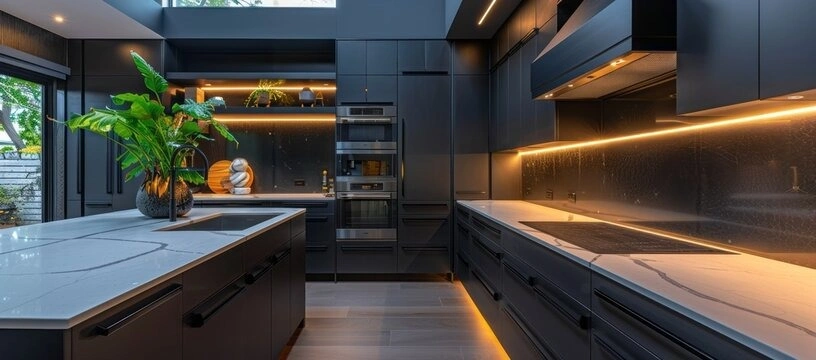
Recycled Mineral Surfaces: The Sustainable Silica-Free Alternative
Recycled mineral surfaces represent a unique intersection of the silica-free and sustainability trends. These products incorporate post-industrial and post-consumer mineral waste — glass, porcelain, ceramic scrap — into new surface materials with verified zero crystalline silica content. For projects targeting LEED, BREEAM, or Green Star certification, recycled mineral surfaces offer a compelling value proposition.
What Are Recycled Mineral Surfaces?
Unlike traditional engineered stone (which combines virgin quartz aggregate with polyester resin) or sintered stone (virgin minerals sintered at extreme temperature), recycled mineral surfaces use waste streams as their primary raw material:
- Post-consumer glass: Crushed and graded glass cullet (typically 70-85% of product mass)
- Post-industrial ceramic/porcelain waste: Scrap from tile and sanitaryware manufacturing
- Recycled concrete and quarry waste: Demolition and processing byproducts
- Bio-based or recycled resin binders: Polyester resins with recycled content, bio-epoxy, or cementitious binders
Key Products on the Market
Vetrazzo — Recycled Glass Surfaces
Composition: 85% recycled glass + cement binder. Silica: 0% (glass is amorphous silica, not crystalline). Price: Mid-premium (\$65-100/sqft installed). Best for: Kitchen benchtops, bar tops, feature walls. Distinctive aesthetic driven by visible glass fragments. Each slab is unique.
IceStone — Recycled Glass + Cement
Composition: 100% recycled glass + Portland cement + non-toxic pigments. Silica: < 0.1% (trace from cement). Price: Premium (\$80-120/sqft). Best for: Sustainability-focused commercial projects (LEED credits for recycled content). Cradle to Cradle Certified.
Caesarstone — Outdoor Collection (Recycled Content)
Composition: Up to 40% recycled content (glass, mirror, and porcelain waste) + quartz + resin. Silica: Still contains quartz (not silica-free). Note: This product has recycled content but is NOT silica-free. It illustrates the “green but not safe” category — buyers should not confuse sustainability with silica safety.
Performance Considerations
| Property | Recycled Glass/Cement | Traditional Quartz |
|---|---|---|
| Scratch resistance | Good (glass is hard; cement binder is softer) | Excellent |
| Stain resistance | Moderate — cementitious products require sealing | Excellent (non-porous) |
| Heat resistance | Excellent (cement binder is heat-resistant) | Moderate (resin binder degrades at high heat) |
| Maintenance | Requires periodic sealing (cementitious) | None required |
| Colour consistency | Variable (waste feedstock varies) | Consistent |
| Recycled content | 70-100% | 0-5% |
What we tell clients: Recycled mineral surfaces are excellent for projects where sustainability certification matters and the aesthetic (visible glass fragments, terrazzo-like appearance) fits the design vision. They’re less suitable for projects requiring uniform colour, zero-maintenance surfaces, or the marble-look that drives most quartz sales. Choose based on the project. Don’t choose based on the marketing.
For comparisons with other silica-free alternatives, see our Zero vs Low Silica guide.
Sustainable Surface Materials Guide
Free: Compare recycled content, silica verification, and LEED/BREEAM credit eligibility across 20+ surface materials.
Sources & References
Complete numbered source list with URLs available to subscribers.